
Ai vs jobs: AI can’t be a free pass for layoffs, China courts signal in landmark rulings
Introduction to the Impact of AI on Jobs
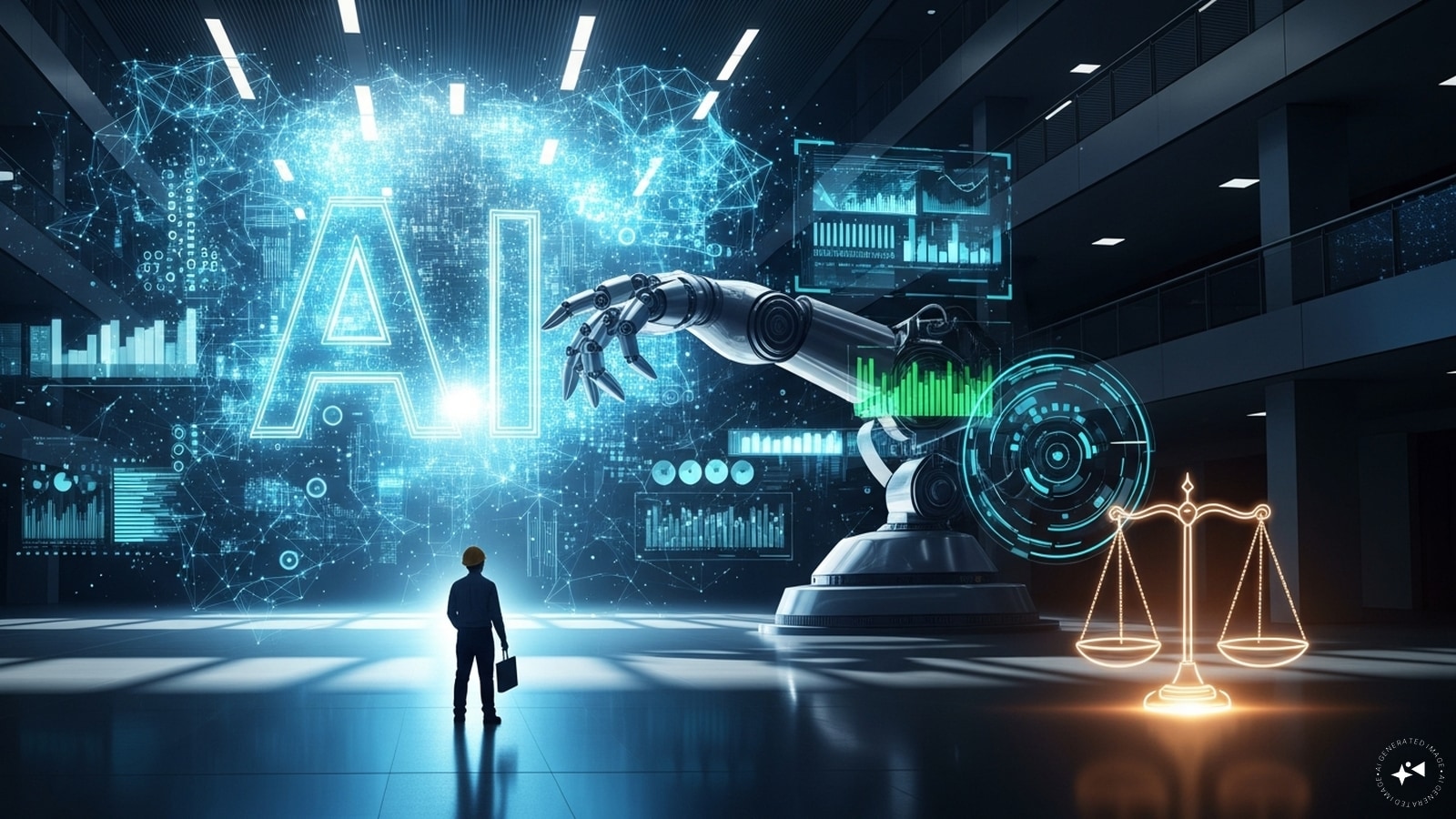
As we delve into the realm of artificial intelligence (AI) and its effects on the job market, it becomes increasingly evident that the integration of AI in various industries is a double-edged sword. On one hand, AI has the potential to increase efficiency, reduce costs, and enhance productivity. On the other hand, the fear of job displacement due to AI-driven automation has become a pressing concern for many workers worldwide. Recent landmark rulings in China's courts have signaled that AI cannot be used as a justification for layoffs, marking a significant shift in the approach to AI adoption and its impact on employment. In this deep dive, we will explore the technical impact of AI on jobs and the innovations that are shaping the landscape of work in 2026.
The Technical Impact of AI on Jobs
From a technical standpoint, AI has the capability to automate routine and repetitive tasks, which can lead to significant job displacement in certain sectors. According to a report by the McKinsey Global Institute, up to 800 million jobs could be lost worldwide due to automation by 2030. However, the same report also suggests that while AI may displace some jobs, it will also create new ones, potentially leading to a net gain of up to 140 million new roles. The key to mitigating the negative effects of AI on employment lies in understanding the technical capabilities of AI and how they can be leveraged to augment human capabilities rather than replace them. For instance, AI can be used to analyze vast amounts of data, identify patterns, and make predictions, freeing up human workers to focus on higher-value tasks that require creativity, empathy, and problem-solving skills.
In 2026, we can expect to see significant advancements in AI technologies such as natural language processing, computer vision, and machine learning. These innovations will enable businesses to automate more complex tasks, leading to increased productivity and efficiency. However, it is crucial for organizations to adopt a strategic approach to AI adoption, one that prioritizes the augmentation of human capabilities rather than their replacement. This can be achieved through the development of AI systems that are designed to collaborate with humans, providing them with the insights and tools they need to make better decisions and perform their jobs more effectively.
Landmark Rulings in China's Courts
Recent landmark rulings in China's courts have sent a strong signal that AI cannot be used as a justification for layoffs. In one notable case, a Chinese court ruled that an employer's decision to terminate an employee's contract due to the introduction of AI-powered automation was unlawful. The court's decision was based on the fact that the employer had failed to provide the employee with adequate training and support to adapt to the changing job requirements. This ruling has significant implications for businesses in China, emphasizing the need for organizations to prioritize the retraining and upskilling of their workforce in the face of AI-driven automation.
The Chinese government has also been actively promoting the development of AI technologies, with a focus on ensuring that the benefits of AI are shared by all segments of society. In 2026, we can expect to see increased investment in AI research and development, as well as initiatives aimed at promoting the adoption of AI in various industries. However, the government has also emphasized the need for responsible AI development, with a focus on ensuring that AI systems are designed and deployed in ways that prioritize human well-being and dignity. This includes ensuring that AI systems are transparent, explainable, and fair, and that they are designed to augment human capabilities rather than replace them.
💻 Technical Breakdown Video
2026 Innovations in AI and Job Creation
In 2026, we can expect to see significant innovations in AI technologies, with a focus on developing systems that are designed to collaborate with humans. One area of innovation is in the development of AI-powered tools that can help workers develop new skills and adapt to changing job requirements. For instance, AI-powered learning platforms can provide workers with personalized training and development programs, helping them to acquire the skills they need to remain relevant in an increasingly automated job market. Another area of innovation is in the development of AI systems that can help businesses identify new job opportunities and create new roles that are complementary to automated tasks.
According to a report by the World Economic Forum, by 2026, up to 97 million new roles may emerge that are more adapted to the new division of labor between humans, machines, and algorithms. These new roles will require workers to have skills that are complementary to AI, such as creativity, problem-solving, and critical thinking. In response to this trend, educational institutions and training providers are developing new programs and courses that focus on developing these skills, as well as providing workers with the knowledge and expertise they need to work effectively with AI systems.
Conclusion and Recommendations
In conclusion, the impact of AI on jobs is a complex issue that requires a nuanced and multifaceted approach. While AI has the potential to displace some jobs, it also has the potential to create new ones and augment human capabilities. Recent landmark rulings in China's courts have signaled that AI cannot be used as a justification for layoffs, emphasizing the need for organizations to prioritize the retraining and upskilling of their workforce. In 2026, we can expect to see significant innovations in AI technologies, with a focus on developing systems that are designed to collaborate with humans and create new job opportunities.
To mitigate the negative effects of AI on employment, we recommend that organizations adopt a strategic approach to AI adoption, one that prioritizes the augmentation of human capabilities rather than their replacement. This can be achieved through the development of AI systems that are designed to collaborate with humans, providing them with the insights and tools they need to make better decisions and perform their jobs more effectively. Additionally, organizations should invest in the retraining and upskilling of their workforce, providing them with the knowledge and expertise they need to work effectively with AI systems. By taking a proactive and responsible approach to AI adoption, we can ensure that the benefits of AI are shared by all segments of society, and that the job market of the future is one that is characterized by innovation, creativity, and opportunity.
Ultimately, the future of work in the age of AI will depend on our ability to harness the potential of AI to augment human capabilities, rather than replace them. By working together to develop AI systems that are designed to collaborate with humans, we can create a future that is marked by increased productivity, efficiency, and innovation, as well as greater job satisfaction and fulfillment. As we move forward in 2026, it is crucial that we prioritize the development of AI technologies that are aligned with human values and promote the well-being and dignity of all workers.
About Menshly Tech
Documenting the intersection of human creativity and autonomous systems. Part of the Menshly Digital Media Group.
Follow Author

0 Comments