
The Sequence Opinion #823: SaaSmagedon, Is SaaS Dead?: Vibe Coding, Agentic Engineering, and the Collapse of the Code Moat
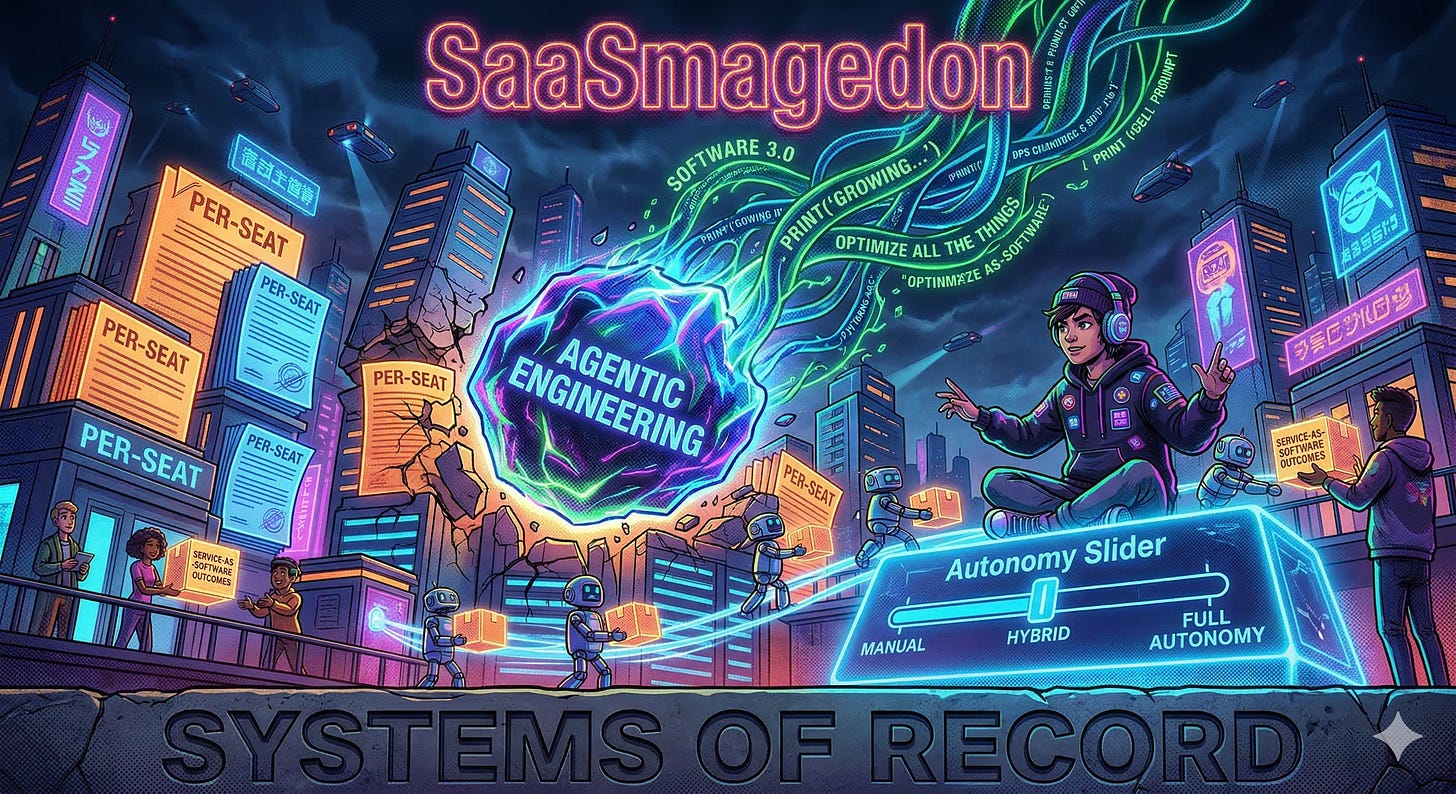
Introduction to SaaSmagedon
The tech world has recently been abuzz with the concept of SaaSmagedon, a term that has sparked intense debate among industry experts and enthusiasts alike. At its core, SaaSmagedon refers to the perceived decline of the Software as a Service (SaaS) model, which has been a cornerstone of the software industry for decades. As a Senior Technical Analyst at Menshly Tech, I will delve into the technical implications of this phenomenon, exploring the rise of vibe coding, agentic engineering, and the erosion of the code moat. In this deep dive, we will examine the current state of SaaS, the factors contributing to its perceived demise, and the innovations that will shape the industry in 2026 and beyond.
The Rise of Vibe Coding
Vibe coding is an emerging trend that emphasizes the importance of developer experience, community engagement, and open-source collaboration. This approach prioritizes the creation of a positive, inclusive atmosphere, where developers can freely share ideas, experiment with new technologies, and build upon each other's work. Vibe coding has given rise to a new generation of developers who value flexibility, autonomy, and creativity over traditional notions of ownership and control. As a result, the lines between proprietary and open-source software have become increasingly blurred, challenging the conventional SaaS model. With vibe coding, developers are no longer bound by the constraints of traditional software development, and the concept of ownership is being redefined.
Agentic Engineering: The New Paradigm
Agentic engineering represents a fundamental shift in the way software is designed, developed, and deployed. This approach focuses on creating autonomous, self-organizing systems that can adapt, learn, and evolve in response to changing environments and user needs. Agentic engineering relies on advanced technologies like artificial intelligence, machine learning, and the Internet of Things (IoT) to create systems that are more resilient, flexible, and responsive. By embracing agentic engineering, developers can create software that is more intuitive, user-friendly, and effective, ultimately leading to a more seamless and personalized user experience. As agentic engineering continues to gain traction, it is likely to play a significant role in shaping the future of software development and the SaaS industry as a whole.
The Collapse of the Code Moat
The code moat refers to the traditional competitive advantage that software companies have enjoyed due to their proprietary codebases and intellectual property. However, with the rise of open-source software, vibe coding, and agentic engineering, the code moat is rapidly eroding. As more developers contribute to open-source projects and share their knowledge and expertise, the barriers to entry for new companies and innovators are decreasing. This shift has created a more level playing field, where small, agile companies can compete with established industry giants. The collapse of the code moat has significant implications for the SaaS industry, as companies can no longer rely solely on their proprietary technology to maintain a competitive edge. Instead, they must focus on creating value through innovative business models, exceptional customer experiences, and strategic partnerships.
Technical Impact and 2026 Innovation
As we look to 2026 and beyond, the technical impact of SaaSmagedon will be far-reaching. The rise of vibe coding, agentic engineering, and the collapse of the code moat will drive innovation in several key areas. Firstly, we can expect to see a proliferation of open-source software, as more developers contribute to and build upon existing projects. This will lead to the creation of more robust, flexible, and customizable solutions that can be tailored to meet the specific needs of individual users and organizations. Secondly, agentic engineering will continue to advance, enabling the development of more sophisticated, autonomous systems that can learn and adapt in real-time. Finally, the erosion of the code moat will create new opportunities for innovation and disruption, as small, agile companies can now compete with established industry players.
💻 Technical Breakdown Video
Key Trends and Predictions for 2026
Based on current trends and developments, several key predictions can be made for 2026. Firstly, we can expect to see a significant increase in the adoption of open-source software, as more companies recognize the value of community-driven development and collaboration. Secondly, agentic engineering will become more prevalent, as developers seek to create more intelligent, adaptive, and responsive systems. Thirdly, the SaaS industry will continue to evolve, with a greater emphasis on subscription-based models, cloud-native applications, and edge computing. Finally, the collapse of the code moat will lead to a more competitive and dynamic market, with new entrants and innovators challenging traditional industry leaders.
Conclusion: Navigating the Future of SaaS
In conclusion, the concept of SaaSmagedon represents a significant shift in the software industry, driven by the rise of vibe coding, agentic engineering, and the collapse of the code moat. As we look to 2026 and beyond, it is clear that the technical impact of these trends will be profound. The SaaS industry will need to adapt to a new reality, where open-source software, autonomous systems, and community-driven development are the norm. Companies that can navigate this changing landscape, prioritizing innovation, collaboration, and customer experience, will be well-positioned to thrive in a post-SaaSmagedon world. At Menshly Tech, we are committed to staying at the forefront of these developments, providing our customers with the expertise, guidance, and support they need to succeed in an increasingly complex and dynamic market.
Future Outlook and Recommendations
As the SaaS industry continues to evolve, several key recommendations can be made for companies seeking to navigate this new landscape. Firstly, companies should prioritize open-source software and community-driven development, recognizing the value of collaboration and shared knowledge. Secondly, they should invest in agentic engineering, creating autonomous systems that can adapt and learn in real-time. Thirdly, companies should focus on creating exceptional customer experiences, recognizing that user satisfaction and loyalty are critical to long-term success. Finally, they should be prepared to challenge traditional notions of ownership and control, embracing a more flexible and dynamic approach to software development and deployment. By following these recommendations, companies can position themselves for success in a post-SaaSmagedon world, where innovation, collaboration, and customer experience are the keys to unlocking long-term growth and profitability.
Final Thoughts: Embracing the Future of Software
In final thoughts, the concept of SaaSmagedon represents a significant turning point in the software industry, marking a shift away from traditional notions of ownership and control and towards a more open, collaborative, and dynamic approach to software development. As we look to 2026 and beyond, it is clear that the technical impact of this trend will be far-reaching, driving innovation in areas like open-source software, agentic engineering, and edge computing. At Menshly Tech, we are excited to be a part of this journey, working closely with our customers and partners to navigate the challenges and opportunities of a post-SaaSmagedon world. Together, we can create a brighter, more sustainable future for the software industry, one that is driven by innovation, collaboration, and a passion for creating exceptional customer experiences.
About Menshly Tech
Documenting the intersection of human creativity and autonomous systems. Part of the Menshly Digital Media Group.
Follow Author


0 Comments