
Samsung released an update for Galaxy S26 Ultra, then halted rollout
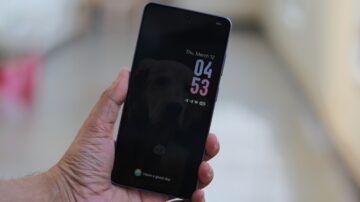
Introduction to the Samsung Galaxy S26 Ultra Update
Samsung recently released an update for the Galaxy S26 Ultra, which was met with excitement from users and tech enthusiasts alike. However, the rollout was suddenly halted, leaving many to wonder what had gone wrong. As a Senior Technical Analyst at Menshly Tech, I will delve into the technical impact of this update and what it means for 2026 innovation. The Galaxy S26 Ultra is a flagship device that boasts impressive specs, including a large AMOLED display, a powerful Exynos chipset, and a long-lasting battery. The update was expected to bring several new features and improvements to the device, including enhanced camera capabilities, improved performance, and increased security.
Technical Details of the Update
From a technical standpoint, the update was a significant overhaul of the device's operating system. It included a new version of the One UI skin, which is Samsung's custom interface for Android devices. The update also included several under-the-hood changes, such as improved memory management and enhanced battery life. Additionally, the update brought support for new technologies, such as Wi-Fi 6E and Bluetooth 5.2. These changes were expected to improve the overall user experience and provide a more seamless and efficient performance. However, it appears that the update was not thoroughly tested, and several bugs and issues were reported by users, which ultimately led to the halt of the rollout.
Reasons Behind the Halt of the Rollout
So, what exactly went wrong? According to reports, the update caused several issues, including boot loops, freezes, and crashes. Some users also reported that their devices were stuck in a reboot loop, making it impossible to use them. These issues were likely caused by compatibility problems between the new software and the device's hardware. It's also possible that the update was not properly optimized for the device's specifications, leading to performance issues. Samsung has not officially commented on the reasons behind the halt of the rollout, but it's likely that the company is working to identify and fix the issues before re-releasing the update.
Impact on Users and the Tech Industry
The halt of the rollout has significant implications for users and the tech industry as a whole. For users, it means that they will have to wait longer to receive the latest features and improvements. This can be frustrating, especially for those who were eagerly anticipating the update. For the tech industry, it highlights the importance of thorough testing and quality assurance. The fact that Samsung, a well-established and reputable company, was forced to halt the rollout of an update due to technical issues, shows that even the biggest players in the industry can make mistakes. It also underscores the need for companies to prioritize user experience and safety above all else.
2026 Innovation and the Future of Smartphone Technology
Despite the setback, the Galaxy S26 Ultra update is still an important milestone in the development of smartphone technology. The device's specs and features are a testament to the rapid progress being made in the field. In 2026, we can expect to see even more innovative technologies, such as foldable displays, 5G connectivity, and artificial intelligence-powered cameras. The use of artificial intelligence and machine learning will become even more prevalent, enabling devices to learn and adapt to user behavior. We can also expect to see significant advancements in battery technology, with devices lasting longer and charging faster. The future of smartphone technology is exciting, and the Galaxy S26 Ultra update is just a small part of it.
💻 Technical Breakdown Video
Conclusion and Recommendations
In conclusion, the halt of the Galaxy S26 Ultra update rollout is a reminder that even the most reputable companies can make mistakes. However, it's also an opportunity for Samsung to learn and improve, and to prioritize user experience and safety above all else. For users, it's a waiting game, but the eventual update will bring significant improvements and new features. As we look to the future, it's clear that 2026 will be an exciting year for smartphone technology, with innovative features and technologies on the horizon. As a Senior Technical Analyst at Menshly Tech, I recommend that companies prioritize thorough testing and quality assurance, and that users remain patient and vigilant, always keeping their devices and software up to date.
Future-Proofing and the Importance of Software Updates
Software updates are a crucial part of maintaining the security and performance of devices. They often include patches for vulnerabilities, as well as new features and improvements. In the case of the Galaxy S26 Ultra, the update was expected to bring significant enhancements to the device's camera capabilities, as well as improved performance and battery life. However, the halt of the rollout highlights the importance of thorough testing and quality assurance. Companies must ensure that their updates are properly tested and validated before releasing them to the public. This includes testing for compatibility issues, as well as ensuring that the update does not introduce any new bugs or vulnerabilities.
Artificial Intelligence and Machine Learning in Smartphone Technology
Artificial intelligence and machine learning are becoming increasingly important in smartphone technology. These technologies enable devices to learn and adapt to user behavior, providing a more personalized and intuitive experience. In the case of the Galaxy S26 Ultra, the update was expected to include several AI-powered features, such as enhanced camera capabilities and improved battery life. However, the use of AI and machine learning also raises important questions about user privacy and security. Companies must ensure that they are using these technologies in a responsible and transparent way, and that users are fully informed about how their data is being used.
5G Connectivity and the Future of Wireless Technology
5G connectivity is another key area of innovation in smartphone technology. The new wireless standard promises faster speeds, lower latency, and greater connectivity than ever before. In 2026, we can expect to see widespread adoption of 5G technology, with devices and networks becoming increasingly ubiquitous. The Galaxy S26 Ultra update was expected to include support for 5G connectivity, as well as other advanced wireless technologies such as Wi-Fi 6E and Bluetooth 5.2. However, the halt of the rollout highlights the importance of ensuring that these technologies are properly tested and validated before release.
Final Thoughts and Recommendations
In conclusion, the Galaxy S26 Ultra update is an important milestone in the development of smartphone technology. Despite the setback, the device's specs and features are a testament to the rapid progress being made in the field. As we look to the future, it's clear that 2026 will be an exciting year for smartphone technology, with innovative features and technologies on the horizon. As a Senior Technical Analyst at Menshly Tech, I recommend that companies prioritize thorough testing and quality assurance, and that users remain patient and vigilant, always keeping their devices and software up to date. I also recommend that companies invest in artificial intelligence and machine learning, as well as 5G connectivity and other advanced wireless technologies. By doing so, we can ensure that smartphone technology continues to evolve and improve, providing users with a more seamless, efficient, and enjoyable experience.
About Menshly Tech
Documenting the intersection of human creativity and autonomous systems. Part of the Menshly Digital Media Group.
Follow Author


0 Comments