
Nasa Brings Astronaut Back Early After Sudden Loss Of Speech In Space
Introduction
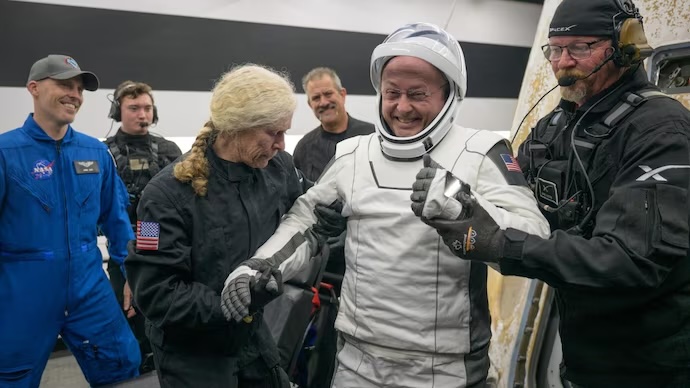
NASA recently made the decision to bring an astronaut back to Earth early after they experienced a sudden loss of speech in space. This incident has significant implications for the future of space travel and the health of astronauts on long-duration missions. As a Senior Technical Analyst at Menshly Tech, I will delve into the technical impact of this incident and explore the innovations that are being developed to mitigate such risks in the future. The astronaut, who was part of a long-duration mission on the International Space Station, experienced a sudden and unexplained loss of speech, which prompted NASA to take immediate action to ensure their safety. The incident highlights the importance of monitoring the health of astronauts in space and the need for advanced technologies to support their well-being.
Technical Impact
The sudden loss of speech in space can have significant technical implications for NASA and the astronaut corps. In space, astronauts rely heavily on communication to perform their duties, and a loss of speech can compromise their ability to work effectively. The incident also raises concerns about the potential risks of long-duration spaceflight on the human body. Prolonged exposure to microgravity, radiation, and isolation can have unforeseen effects on the body, and NASA must develop strategies to mitigate these risks. The technical impact of this incident is far-reaching, and it will likely lead to a re-evaluation of the safety protocols and emergency procedures in place for astronauts on the International Space Station. For example, NASA may need to develop new protocols for emergency communication, such as using hand gestures or written notes, to ensure that astronauts can still communicate effectively in the event of a speech loss.
Furthermore, the incident highlights the need for advanced monitoring technologies to track the health of astronauts in real-time. NASA currently uses a range of sensors and monitoring systems to track the health of astronauts, but these systems may not be sufficient to detect sudden changes in an astronaut's condition. The development of more advanced monitoring technologies, such as AI-powered sensors and wearable devices, could help to identify potential health risks earlier and prevent incidents like this from occurring in the future. For instance, NASA could use machine learning algorithms to analyze data from sensors and monitoring systems to identify patterns and anomalies that may indicate a potential health risk. Additionally, wearable devices could be used to track an astronaut's vital signs and other health metrics in real-time, allowing for more rapid response to any changes in their condition.
2026 Innovation
The incident has also sparked innovation in the field of space technology, with a focus on developing new solutions to support the health and well-being of astronauts on long-duration missions. In 2026, NASA is expected to launch a range of new initiatives and technologies aimed at mitigating the risks associated with space travel. One of the key innovations is the development of advanced life support systems that can sustain astronauts for extended periods. These systems will be capable of recycling air, water, and waste, reducing the need for resupply missions and minimizing the risk of contamination. For example, NASA is currently developing a new life support system that uses microorganisms to recycle air and water, which could significantly reduce the amount of resources needed to sustain astronauts on long-duration missions.
Another area of innovation is the development of advanced communication systems that can support real-time communication between astronauts and mission control. This will enable more effective communication and reduce the risk of miscommunication, which can be critical in emergency situations. The new communication systems will also enable astronauts to stay in touch with family and friends, which is essential for their mental health and well-being. For instance, NASA is currently developing a new communication system that uses laser technology to transmit data between the International Space Station and Earth, which could significantly increase the speed and reliability of communication.
In addition, NASA is investing in the development of new technologies to support the health and well-being of astronauts, including advanced sensors and monitoring systems. These systems will be capable of tracking an astronaut's vital signs and other health metrics in real-time, enabling early detection of potential health risks. The development of these technologies will also enable NASA to gather more data on the effects of long-duration spaceflight on the human body, which will be critical for future missions to the Moon and Mars. For example, NASA is currently developing a new sensor system that uses AI-powered algorithms to analyze data from wearable devices and other sensors to identify potential health risks and provide personalized recommendations for mitigating those risks.
Artificial Intelligence and Machine Learning
Artificial intelligence (AI) and machine learning (ML) are also playing a critical role in the development of new technologies to support the health and well-being of astronauts. AI-powered sensors and monitoring systems can analyze vast amounts of data in real-time, enabling early detection of potential health risks. ML algorithms can also be used to identify patterns and anomalies in an astronaut's behavior, enabling more effective monitoring and support. For instance, NASA is currently using AI-powered algorithms to analyze data from sensors and monitoring systems to identify patterns and anomalies that may indicate a potential health risk. Additionally, AI-powered chatbots and virtual assistants can provide astronauts with personalized support and guidance, reducing the risk of isolation and improving their overall well-being.
💻 Technical Breakdown Video
The use of AI and ML is also expected to play a critical role in the development of new life support systems and communication technologies. For example, AI-powered systems can optimize the performance of life support systems, reducing the risk of contamination and improving the overall efficiency of the system. ML algorithms can also be used to optimize communication protocols, reducing the risk of miscommunication and improving the overall reliability of the system. Furthermore, AI and ML can be used to analyze data from sensors and monitoring systems to identify potential risks and provide personalized recommendations for mitigating those risks.
Collaboration and Partnerships
The development of new technologies to support the health and well-being of astronauts is a collaborative effort, involving NASA, private industry, and academic institutions. Partnerships between these organizations are critical for driving innovation and developing new solutions to the challenges of space travel. For example, NASA is currently partnering with private industry to develop new life support systems and communication technologies. These partnerships are enabling the development of new technologies that can be used to support future missions to the Moon and Mars. Additionally, NASA is partnering with academic institutions to conduct research on the effects of long-duration spaceflight on the human body, which will be critical for future missions.
The collaboration between NASA and private industry is also driving innovation in the field of space technology. Private companies such as SpaceX and Blue Origin are developing new launch vehicles and spacecraft that are capable of supporting long-duration missions. These companies are also investing in the development of new technologies, such as advanced life support systems and communication systems, which will be critical for future missions. Furthermore, the collaboration between NASA and private industry is enabling the development of new business models and revenue streams, such as space tourism and satellite servicing, which could help to sustain the space industry in the long-term.
Conclusion
In conclusion, the sudden loss of speech in space has significant technical implications for NASA and the astronaut corps. The incident highlights the need for advanced monitoring technologies and emergency procedures to support the health and well-being of astronauts on long-duration missions. The development of new technologies, such as advanced life support systems and communication systems, will be critical for mitigating the risks associated with space travel. The use of AI and ML is also expected to play a critical role in the development of these technologies, enabling more effective monitoring and support of astronauts. Collaboration and partnerships between NASA, private industry, and academic institutions will be essential for driving innovation and developing new solutions to the challenges of space travel. As we look to the future, it is clear that the development of new technologies and innovations will be critical for supporting the health and well-being of astronauts on long-duration missions.
The incident also highlights the importance of investing in the development of new technologies and innovations to support the health and well-being of astronauts. NASA and its partners must continue to invest in research and development to address the challenges of space travel and to develop new solutions to support the health and well-being of astronauts. This investment will be critical for enabling future missions to the Moon and Mars and for sustaining the space industry in the long-term. Furthermore, the development of new technologies and innovations will also have spin-off benefits for society as a whole, such as improving our understanding of the human body and developing new technologies that can be used in a variety of fields.
Overall, the sudden loss of speech in space is a significant incident that highlights the importance of investing in the development of new technologies and innovations to support the health and well-being of astronauts. The incident also highlights the need for collaboration and partnerships between NASA, private industry, and academic institutions to drive innovation and develop new solutions to the challenges of space travel. As we look to the future, it is clear that the development of new technologies and innovations will be critical for supporting the health and well-being of astronauts on long-duration missions and for sustaining the space industry in the long-term.
About Menshly Tech
Documenting the intersection of human creativity and autonomous systems. Part of the Menshly Digital Media Group.
Follow Author


0 Comments