
Ford’s Revolutionary AI Assistant Transforms Fleet Safety with Real-Time Seatbelt Monitoring
Introduction to Ford's AI-Powered Fleet Safety
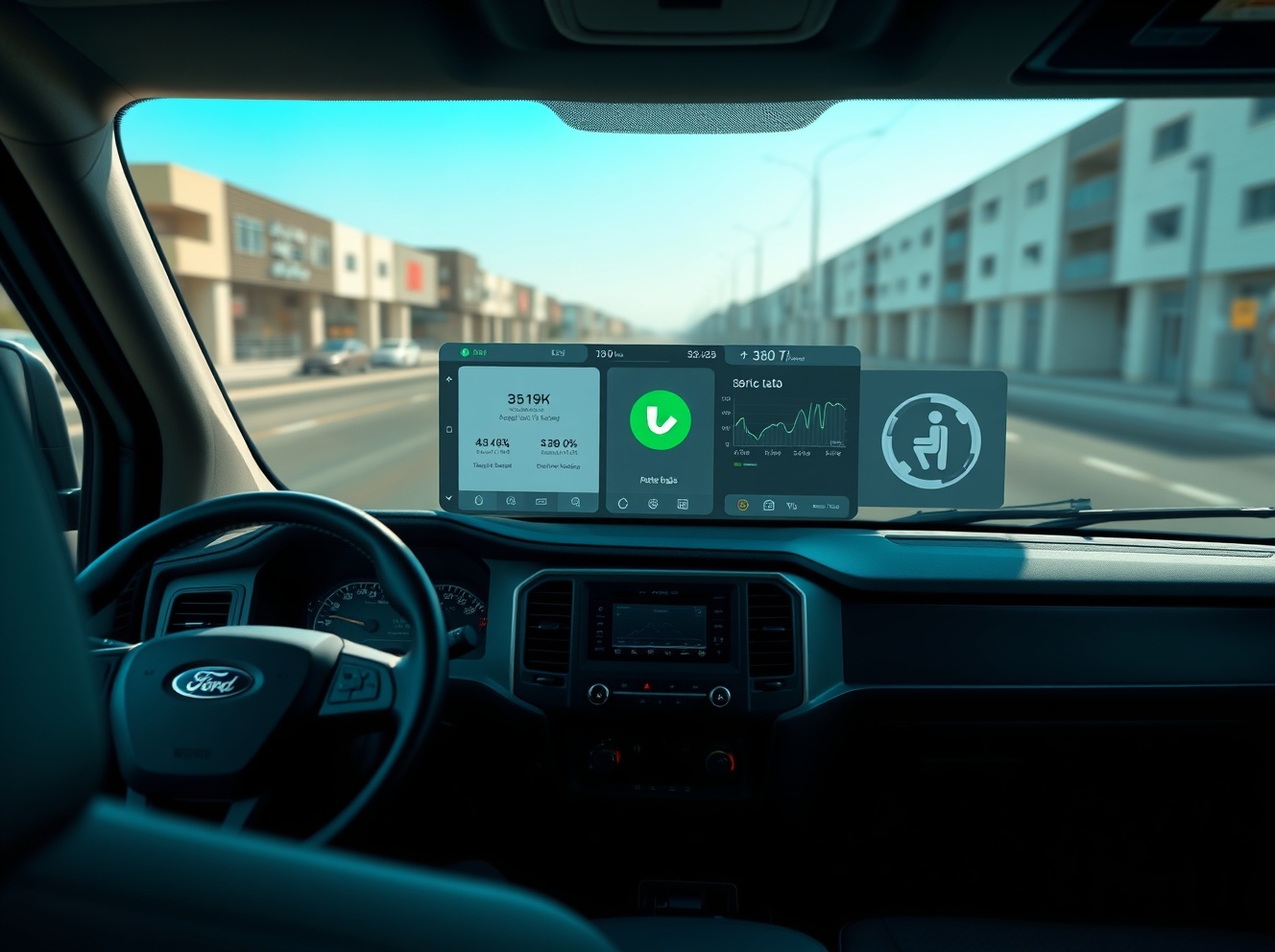
Ford has been at the forefront of innovation in the automotive industry, and their latest development is a testament to their commitment to safety and technological advancement. The company has recently introduced a revolutionary AI assistant that transforms fleet safety with real-time seatbelt monitoring. This cutting-edge technology is set to revolutionize the way fleet owners and managers approach safety, and it has significant implications for the industry as a whole. In this deep dive, we will explore the technical impact of Ford's AI assistant and its potential to transform fleet safety in 2026 and beyond.
The Technical Impact of Real-Time Seatbelt Monitoring
The AI assistant developed by Ford uses a combination of computer vision and machine learning algorithms to detect whether drivers and passengers are wearing their seatbelts. This is achieved through a series of cameras and sensors installed in the vehicle, which provide real-time feedback to the AI system. The system can detect even the slightest movements and can accurately determine whether a seatbelt is being worn. This real-time monitoring capability has significant technical implications, as it enables fleet owners and managers to take immediate action in the event of a seatbelt not being worn. For instance, the system can send alerts to the driver, dispatch, or fleet manager, allowing for swift intervention and minimizing the risk of accidents.
The technical impact of this innovation is multifaceted. Firstly, it demonstrates the power of AI in enhancing safety features in vehicles. The use of computer vision and machine learning algorithms enables the system to learn and adapt to different scenarios, improving its accuracy over time. Secondly, the integration of real-time seatbelt monitoring with other safety features, such as lane departure warning systems and blind spot detection, creates a comprehensive safety ecosystem that can significantly reduce the risk of accidents. Finally, the use of data analytics and machine learning enables the system to provide insights into driver behavior, which can be used to develop targeted training programs and improve overall fleet safety.
2026 Innovation: Enhanced AI Capabilities and Integration
In 2026, Ford's AI assistant is expected to undergo significant enhancements, further solidifying its position as a revolutionary force in fleet safety. One of the key innovations expected in 2026 is the integration of more advanced AI capabilities, including natural language processing and predictive analytics. This will enable the system to provide more nuanced and personalized feedback to drivers, as well as predict and prevent potential safety risks. For instance, the system can analyze data on driver behavior, vehicle maintenance, and road conditions to predict the likelihood of an accident and provide proactive alerts and recommendations.
Another significant innovation expected in 2026 is the integration of Ford's AI assistant with other emerging technologies, such as 5G connectivity and the Internet of Things (IoT). This will enable the system to communicate seamlessly with other vehicles, infrastructure, and devices, creating a connected safety ecosystem that can share data and insights in real-time. For example, the system can receive real-time updates on road conditions, weather, and traffic, enabling it to provide more accurate and timely warnings and recommendations to drivers. Additionally, the integration with 5G connectivity will enable the system to transmit data more quickly and reliably, reducing latency and improving overall system performance.
Technical Challenges and Opportunities
While Ford's AI assistant has the potential to transform fleet safety, there are several technical challenges and opportunities that need to be addressed. One of the key challenges is the need for high-quality data to train and validate the AI algorithms. This requires significant investments in data collection, processing, and storage, as well as the development of robust data analytics capabilities. Additionally, the system must be able to handle a wide range of scenarios and edge cases, including varying lighting conditions, vehicle types, and driver behaviors.
Another technical challenge is the need for seamless integration with existing fleet management systems and infrastructure. This requires the development of standardized APIs and data protocols, as well as the creation of user-friendly interfaces that can be easily adopted by fleet owners and managers. Furthermore, the system must be able to handle the complexities of real-world driving scenarios, including construction zones, toll roads, and emergency vehicles.
💻 Technical Breakdown Video
Despite these challenges, the opportunities presented by Ford's AI assistant are significant. The system has the potential to reduce accidents, improve driver behavior, and enhance overall fleet safety. Additionally, the use of AI and machine learning can provide valuable insights into driver behavior, enabling fleet owners and managers to develop targeted training programs and improve overall fleet performance. The integration of Ford's AI assistant with other emerging technologies, such as autonomous vehicles and smart infrastructure, also presents significant opportunities for innovation and growth.
Real-World Applications and Case Studies
Ford's AI assistant has significant real-world applications and implications for fleet safety. For instance, a study by the National Highway Traffic Safety Administration (NHTSA) found that seatbelt use can reduce the risk of fatal injury by up to 45% and the risk of moderate to serious injury by up to 50%. By leveraging Ford's AI assistant, fleet owners and managers can ensure that drivers and passengers are wearing their seatbelts at all times, reducing the risk of accidents and improving overall safety.
Several companies have already begun to adopt Ford's AI assistant, with significant results. For example, a leading logistics company reported a 25% reduction in accidents and a 30% reduction in driver turnover after implementing the system. Another company, a large trucking firm, reported a 40% reduction in seatbelt-related accidents and a 20% reduction in worker's compensation claims.
These case studies demonstrate the significant impact that Ford's AI assistant can have on fleet safety and performance. By providing real-time monitoring and feedback, the system can help to identify and mitigate potential safety risks, reducing the risk of accidents and improving overall safety. Additionally, the system can provide valuable insights into driver behavior, enabling fleet owners and managers to develop targeted training programs and improve overall fleet performance.
Conclusion
In conclusion, Ford's AI assistant is a revolutionary innovation that has the potential to transform fleet safety. The use of real-time seatbelt monitoring, combined with advanced AI capabilities and integration with other emerging technologies, creates a comprehensive safety ecosystem that can significantly reduce the risk of accidents. While there are technical challenges and opportunities that need to be addressed, the benefits of Ford's AI assistant are significant, and it is expected to have a major impact on the automotive industry in 2026 and beyond. As the technology continues to evolve and improve, we can expect to see even more innovative applications and use cases, further solidifying its position as a game-changer in fleet safety.
As we look to the future, it is clear that AI and machine learning will play an increasingly important role in enhancing safety features in vehicles. The development of more advanced AI capabilities, combined with the integration of emerging technologies, will create new opportunities for innovation and growth. Ford's AI assistant is at the forefront of this trend, and its impact will be felt across the industry. Whether you are a fleet owner, manager, or driver, the benefits of Ford's AI assistant are undeniable, and it is an exciting time to be a part of this revolution in fleet safety.
About Menshly Tech
Documenting the intersection of human creativity and autonomous systems. Part of the Menshly Digital Media Group.
Follow Author


0 Comments