
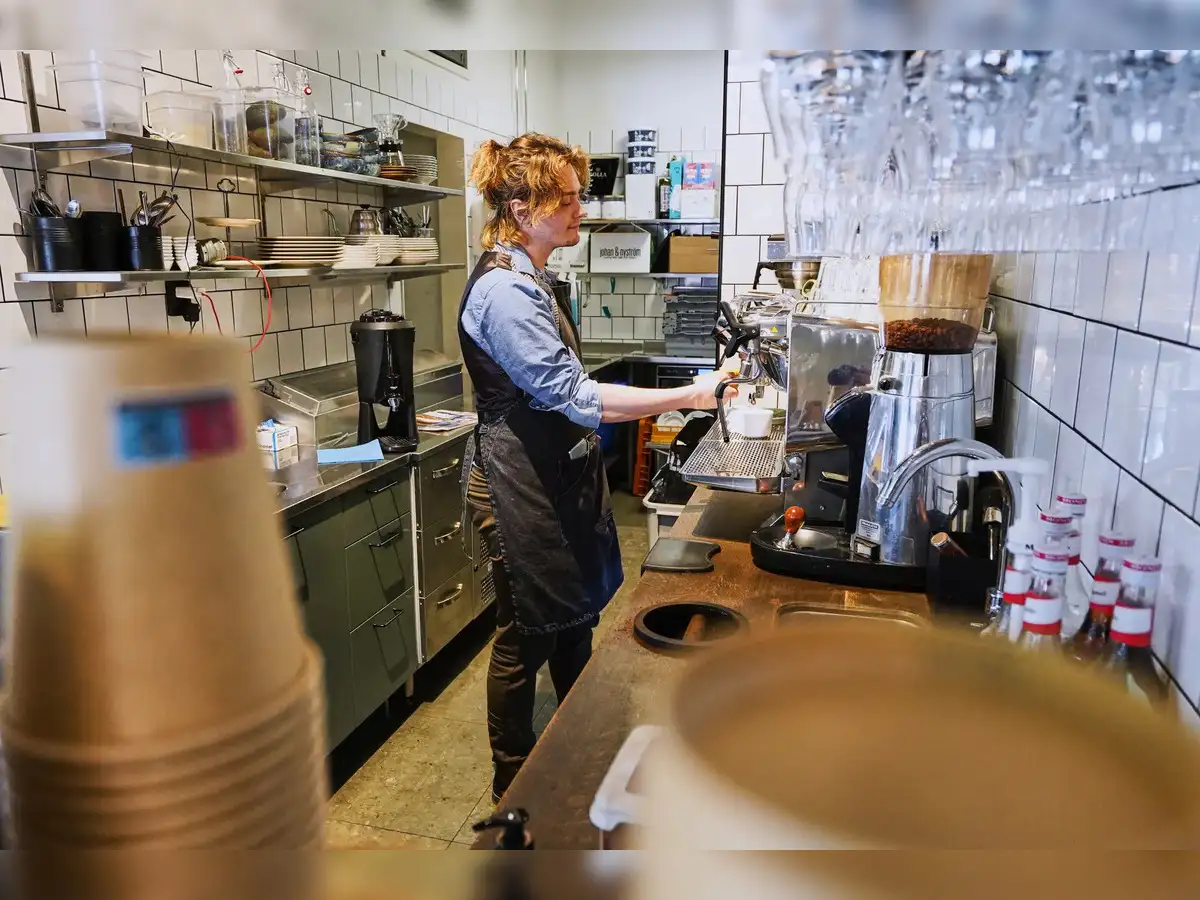
The barista is human but an AI agent runs this experimental Swedish cafe
Introduction to AI-Powered Cafes
The world of artificial intelligence has been rapidly evolving, and its applications are becoming increasingly prevalent in various industries. One such innovation is the introduction of AI-powered cafes, where human baristas work alongside AI agents to provide a unique customer experience. In this deep dive, we will explore the technical impact and 2026 innovation of an experimental Swedish cafe, where an AI agent runs the show, and the barista is human. This concept may seem like the stuff of science fiction, but it is quickly becoming a reality, and its implications are far-reaching.
Technical Overview of the Cafe
The experimental Swedish cafe in question utilizes a sophisticated AI system that is capable of managing and optimizing various aspects of the cafe's operations. The AI agent is responsible for tasks such as inventory management, order taking, and even customer service. The human barista, on the other hand, is focused on preparing high-quality beverages and providing a personal touch to the customer experience. The AI system is powered by a combination of machine learning algorithms and natural language processing, which enables it to learn and adapt to customer preferences and behavior over time. This harmonious collaboration between humans and AI has the potential to revolutionize the way cafes operate and interact with their customers.
Impact on Customer Experience
The introduction of AI-powered cafes is poised to significantly enhance the customer experience. With the AI agent handling tasks such as order taking and inventory management, the human barista is free to focus on providing a more personalized and engaging experience for customers. The AI system can also analyze customer data and preferences, allowing it to make personalized recommendations and offers. This can lead to increased customer satisfaction and loyalty, as customers feel that their needs and preferences are being catered to. Furthermore, the AI system can provide customers with real-time updates on their orders, reducing wait times and improving the overall efficiency of the cafe.
Technical Innovations in 2026
In 2026, we can expect to see significant advancements in the field of AI-powered cafes. One of the key innovations is the integration of computer vision and machine learning algorithms, which will enable the AI system to recognize and respond to customer emotions and behavior. This can be achieved through the use of facial recognition technology, which can detect customer emotions and adjust the AI's response accordingly. For example, if a customer appears to be in a hurry, the AI system can prioritize their order and provide them with a faster service. Another innovation is the use of augmented reality and virtual reality technologies, which can enhance the customer experience by providing immersive and interactive experiences.
Inventory Management and Supply Chain Optimization
The AI system in the experimental Swedish cafe is also responsible for managing inventory and optimizing the supply chain. The AI agent can analyze sales data and customer preferences to predict demand and adjust inventory levels accordingly. This can help reduce waste and minimize the risk of stockouts, leading to cost savings and improved efficiency. The AI system can also optimize the supply chain by identifying the most efficient and cost-effective suppliers, and automating the ordering process. This can lead to significant cost savings and improved profitability for the cafe. Furthermore, the AI system can provide real-time updates on inventory levels and supply chain operations, enabling the cafe to respond quickly to changes in demand and supply.
💻 Technical Breakdown Video
Staff Management and Training
The AI system in the cafe can also play a significant role in staff management and training. The AI agent can analyze customer feedback and sales data to identify areas where staff may need additional training or support. The AI system can also provide personalized training recommendations for staff, based on their individual strengths and weaknesses. This can help improve the overall quality of service and customer experience, as staff are better equipped to handle customer needs and preferences. Furthermore, the AI system can automate routine tasks such as scheduling and timekeeping, freeing up staff to focus on more strategic and creative tasks.
Security and Data Protection
As with any system that involves the collection and analysis of customer data, security and data protection are critical considerations for AI-powered cafes. The experimental Swedish cafe uses advanced encryption and secure data storage to protect customer data, and the AI system is designed to comply with all relevant data protection regulations. The cafe also provides customers with clear and transparent information about how their data is being used, and offers them the option to opt-out of data collection if they choose to do so. This helps to build trust and confidence with customers, and ensures that the cafe is operating in a responsible and ethical manner.
Conclusion and Future Outlook
In conclusion, the experimental Swedish cafe represents a significant innovation in the field of AI-powered cafes. The collaboration between human baristas and AI agents has the potential to revolutionize the way cafes operate and interact with their customers. As we look to the future, we can expect to see significant advancements in the field of AI-powered cafes, including the integration of computer vision and machine learning algorithms, and the use of augmented reality and virtual reality technologies. The potential benefits of AI-powered cafes are numerous, and include improved customer experience, increased efficiency, and cost savings. As the technology continues to evolve, we can expect to see AI-powered cafes become increasingly prevalent, and play a major role in shaping the future of the hospitality industry.
Recommendations for Implementation
For businesses looking to implement AI-powered cafes, there are several key considerations to keep in mind. First and foremost, it is essential to have a clear understanding of the technical requirements and infrastructure needed to support the AI system. This includes the development of a robust and secure data storage system, as well as the integration of advanced machine learning and natural language processing algorithms. It is also essential to have a well-trained and knowledgeable staff, who can work effectively with the AI system and provide a high-quality customer experience. Finally, it is critical to have a clear and transparent data protection policy, which ensures that customer data is being used responsibly and in compliance with all relevant regulations.
Future Research Directions
As the field of AI-powered cafes continues to evolve, there are several key areas that require further research and development. One of the key areas is the integration of computer vision and machine learning algorithms, which can enable the AI system to recognize and respond to customer emotions and behavior. Another area is the use of augmented reality and virtual reality technologies, which can enhance the customer experience and provide immersive and interactive experiences. Additionally, there is a need for further research into the ethical and social implications of AI-powered cafes, and the potential impact on employment and the hospitality industry as a whole. By exploring these areas, we can continue to push the boundaries of what is possible with AI-powered cafes, and create innovative and customer-centric experiences that exceed expectations.
About Menshly Tech
Documenting the intersection of human creativity and autonomous systems. Part of the Menshly Digital Media Group.
Follow Author


0 Comments