
‘No touch, no dust’: Inside CBSE’s first digital evaluation system ahead of Class 12 results 2026
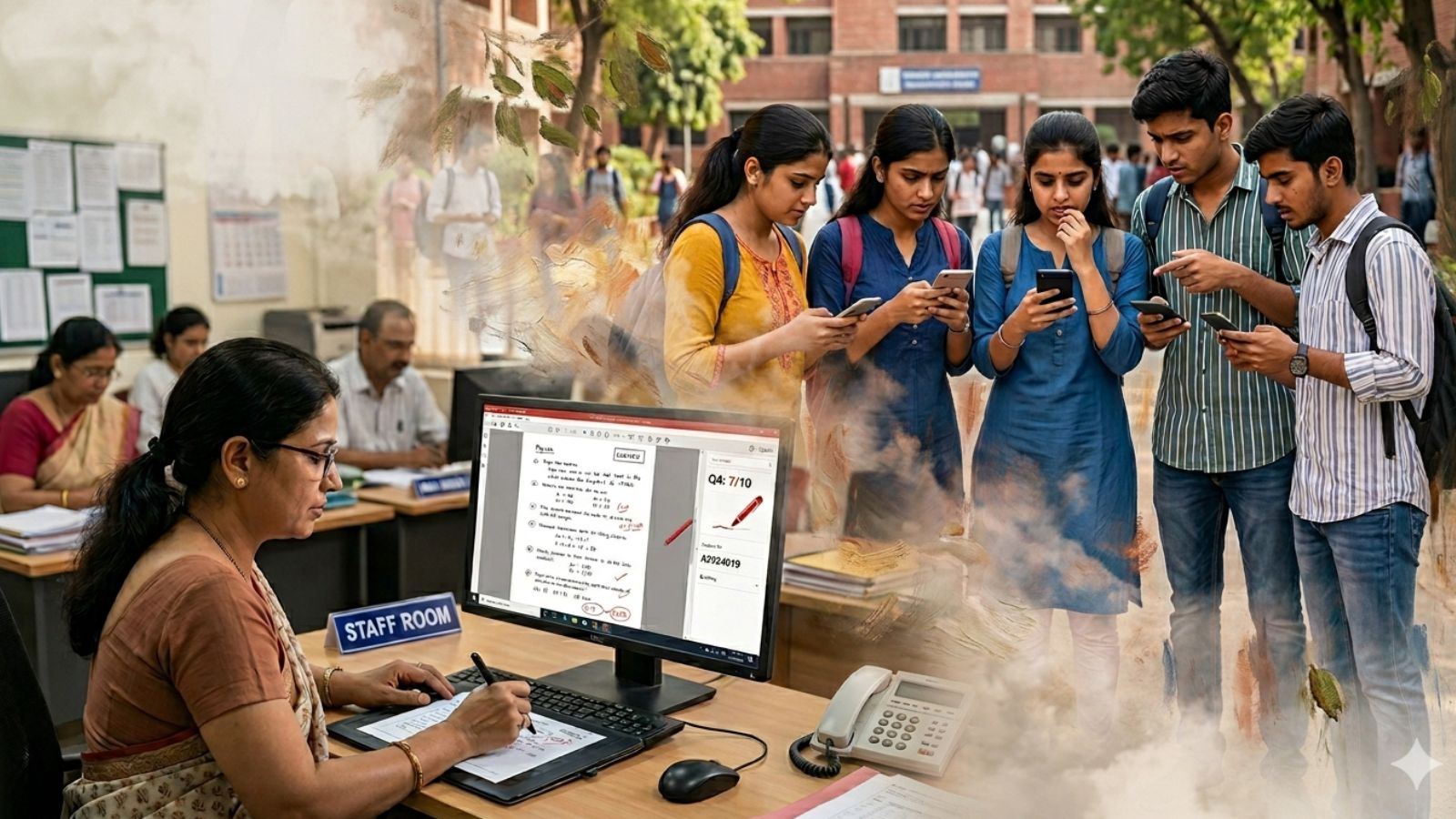
Introduction to Digital Evaluation System
The Central Board of Secondary Education (CBSE) has introduced its first digital evaluation system, revolutionizing the way answer sheets are assessed and results are declared. This innovative approach, dubbed "no touch, no dust," aims to minimize human error and maximize efficiency in the evaluation process. As a Senior Technical Analyst at Menshly Tech, I will delve into the technical impact and 2026 innovations of this digital evaluation system, exploring its features, benefits, and potential challenges.
Technical Overview of the Digital Evaluation System
The digital evaluation system utilizes a combination of artificial intelligence (AI), machine learning (ML), and optical character recognition (OCR) technologies to scan, evaluate, and score answer sheets. The system consists of a centralized server, where answer sheets are uploaded and processed, and a web-based interface, where evaluators can access and assess the sheets. The use of AI and ML algorithms enables the system to learn from previous evaluations, improving its accuracy and reducing the need for human intervention. Additionally, the OCR technology allows for the automated reading and scoring of answer sheets, minimizing the risk of human error.
Key Features of the Digital Evaluation System
The digital evaluation system boasts several key features that enhance its efficiency and accuracy. One of the primary features is the use of digital answer sheets, which eliminates the need for physical answer sheets and reduces the risk of loss or damage. The system also includes a robust question paper management system, which enables the creation, distribution, and management of question papers in a secure and efficient manner. Furthermore, the system provides real-time monitoring and reporting, allowing administrators to track the evaluation process and identify areas for improvement. Another significant feature is the use of analytics and data visualization tools, which provide insights into student performance and help identify trends and patterns.
Benefits of the Digital Evaluation System
The digital evaluation system offers numerous benefits, including increased efficiency, improved accuracy, and enhanced security. The automated evaluation process reduces the time and effort required to assess answer sheets, allowing for faster declaration of results. The use of AI and ML algorithms ensures that evaluations are consistent and unbiased, reducing the risk of human error. The system also provides a secure and tamper-proof environment for storing and processing answer sheets, minimizing the risk of cheating or tampering. Moreover, the digital evaluation system enables the CBSE to analyze student performance data, identifying areas where students require additional support and providing insights for improving the education system.
2026 Innovations and Upgrades
In 2026, the CBSE plans to introduce several innovations and upgrades to the digital evaluation system. One of the significant upgrades is the integration of natural language processing (NLP) technology, which will enable the system to evaluate answer sheets in a more nuanced and context-specific manner. The NLP technology will allow the system to assess not only the accuracy of answers but also the reasoning and thought process behind them. Another innovation is the introduction of a mobile app for evaluators, which will enable them to access and evaluate answer sheets remotely, improving the flexibility and convenience of the evaluation process. Additionally, the CBSE plans to introduce a blockchain-based system for storing and managing answer sheets, providing an additional layer of security and transparency to the evaluation process.
💻 Technical Breakdown Video
Technical Impact of the Digital Evaluation System
The digital evaluation system has a significant technical impact on the education sector, particularly in terms of its potential to transform the evaluation process. The use of AI, ML, and OCR technologies enables the system to process large volumes of data quickly and accurately, reducing the need for human intervention and minimizing the risk of human error. The system also provides a scalable and flexible architecture, allowing it to accommodate increasing volumes of data and user traffic. Moreover, the digital evaluation system has the potential to reduce the environmental impact of the evaluation process, by reducing the need for physical answer sheets and minimizing waste. However, the system also raises concerns about data privacy and security, highlighting the need for robust security measures to protect sensitive student data.
Challenges and Limitations of the Digital Evaluation System
Despite its numerous benefits, the digital evaluation system faces several challenges and limitations. One of the primary challenges is the need for reliable and high-speed internet connectivity, which is essential for the smooth operation of the system. The system also requires significant infrastructure investments, including servers, storage, and networking equipment, which can be a barrier for smaller educational institutions. Additionally, the system raises concerns about equity and access, particularly for students from disadvantaged backgrounds who may not have access to digital devices or internet connectivity. Furthermore, the system requires significant training and support for evaluators, who must be familiar with the digital evaluation process and the use of AI, ML, and OCR technologies.
Conclusion and Future Directions
In conclusion, the CBSE's digital evaluation system represents a significant innovation in the education sector, offering a range of benefits, including increased efficiency, improved accuracy, and enhanced security. The use of AI, ML, and OCR technologies enables the system to process large volumes of data quickly and accurately, reducing the need for human intervention and minimizing the risk of human error. As the system continues to evolve and improve, it is likely to have a profound impact on the education sector, transforming the way answer sheets are assessed and results are declared. However, the system also raises concerns about data privacy and security, highlighting the need for robust security measures to protect sensitive student data. As we look to the future, it is essential to address these challenges and limitations, ensuring that the digital evaluation system is equitable, accessible, and secure for all students.
Recommendations for Future Development
Based on the analysis of the digital evaluation system, I recommend several areas for future development. Firstly, the CBSE should prioritize the development of more advanced AI and ML algorithms, which can improve the accuracy and efficiency of the evaluation process. Secondly, the CBSE should invest in robust security measures, including encryption, firewalls, and access controls, to protect sensitive student data. Thirdly, the CBSE should develop a comprehensive training and support program for evaluators, which can help them to develop the skills and knowledge required to use the digital evaluation system effectively. Finally, the CBSE should explore the potential for integrating the digital evaluation system with other educational technologies, such as learning management systems and student information systems, to create a more seamless and integrated education ecosystem.
Final Thoughts on the Digital Evaluation System
In final thoughts, the CBSE's digital evaluation system represents a significant innovation in the education sector, offering a range of benefits, including increased efficiency, improved accuracy, and enhanced security. As the system continues to evolve and improve, it is likely to have a profound impact on the education sector, transforming the way answer sheets are assessed and results are declared. However, the system also raises concerns about data privacy and security, highlighting the need for robust security measures to protect sensitive student data. By addressing these challenges and limitations, and prioritizing future development, the CBSE can ensure that the digital evaluation system is equitable, accessible, and secure for all students, and that it continues to play a vital role in the education sector for years to come.
About Menshly Tech
Documenting the intersection of human creativity and autonomous systems. Part of the Menshly Digital Media Group.
Follow Author


0 Comments